
Rethinking complex signature workflows: automated, secure and eIDAS-compliant


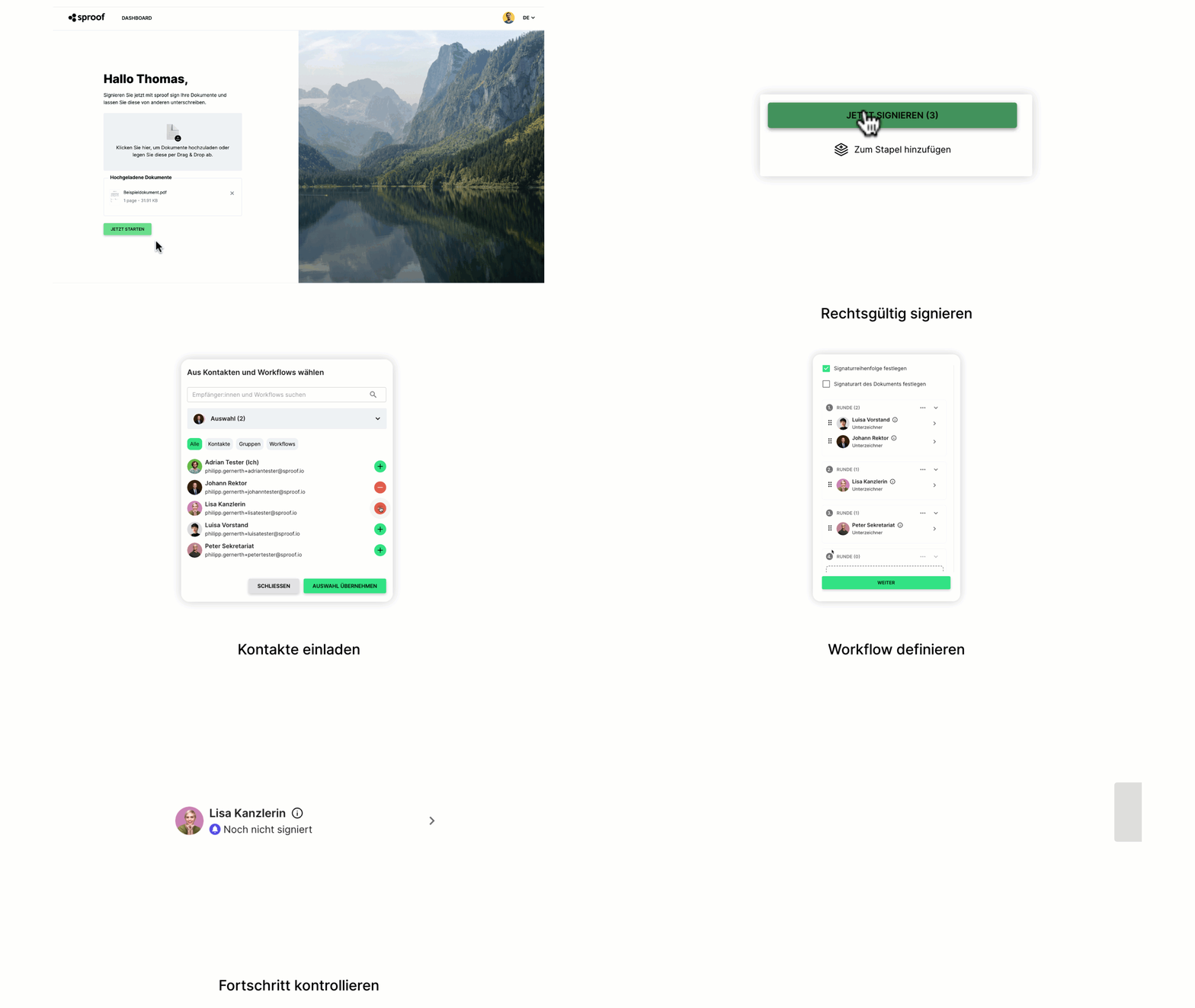
Three steps to a legally valid contract
Efficient process automation & workflows for digital contracts
Prepare & send
Upload one or more documents. Use the batch signature to prepare hundreds of contracts at the same time. Specify signature positions and define the order of the signatories - intuitively using drag-and-drop.

Have it legally signed
Your contacts receive an invitation by e-mail and can sign immediately, without registration, in a legally secure manner. sproof Sign supports all e-signature standards (EES, FES and QES) for maximum flexibility and probative value.
Manage & finalize
Keep an eye on progress at all times. Once the workflow has been completed, all parties involved automatically receive the signed document including a complete, court-proof audit trail. All documents are archived in your dashboard in compliance with the GDPR.


Digital signature workflows in live use with sproof Sign
Product Tour Video
A guided tour of our platform—clear, well-organized, and practical. Get an overview of the features, user interface, and key workflows in sproof sign. Request a demo videoEverything you need for digital excellence
sproof Sign offers the depth that companies need for scalable and secure processes.
Process excellence & organization
Control individual signature processes
Define complex approval chains and roles (signers, approvers, viewers) that correspond exactly to your internal compliance guidelines.Assistance function
Take the pressure off your C-level. Designate team members as assistants who prepare documents and batch workflows professionally. The new login history ensures complete transparency and security.Organize documents efficiently
Use intelligent folder structures and tags to keep track of thousands of documents at all times.


Intelligent team collaboration
Progress monitoring & audit trail
Track every action in real time. The automatic audit trail documents every step in a tamper-proof manner and guarantees maximum probative value in court.Reuse & share workflows
Create workflow templates for standard contracts and share them with your team to ensure consistency and save time.Granular asset sharing
Avoid "template proliferation". Share contact groups and templates specifically at person or group level so that your organization always works with the most up-to-date assets.


Discretion & system integration
Limited document visibility
Maximum GDPR compliance thanks to the "need-to-know" principle. In complex workflows, participants only see the documents that are relevant to them - a decisive advantage for sensitive business processes.Power Automate Connector
Integrate sproof sign into your Microsoft ecosystem without any programming effort. Automate processes directly from M365, Dynamics or SharePoint.API extension
For developers and AI agents: Four new endpoints make it possible to prepare and send even highly complex workflows directly via the interface - "agent-ready" and ready for the agentic economy.


NEW: sproof AI Consultant
Your 24/7 AI-supported
Senior Solutions Architect
- A dedicated AI Gem specifically trained to help you integrate sproof Sign. Think of it as your personal Senior Solutions Architect, available 24/7 to guide you through our ecosystem.
Maximum security. Zero US reference.
Why choose sproof?
Legal certainty (QES)
Signatures with the highest probative value, legally valid throughout Europe.
Integrated identity
Seamless identity verification through sproof Ident & eID Hub.
Maximum usability
The best UX on the market for internal users and external signatories.
100 % EU
Full data sovereignty without US cloud dependencies. Hosting in ISO 27001 certified EU data centers.
Whitelabel & Branding
Fully customizable to your corporate design for a seamless, brand-loyal customer experience.
Automated processes
Efficient workflows instead of manual paperwork.
EUDI Wallet Ready
Ready today for the digital future of eIDAS 2.0.
Fast implementation
Plug-and-play solutions for an immediate production start.
Enterprise Support
Personal expert support during rollout and integration.
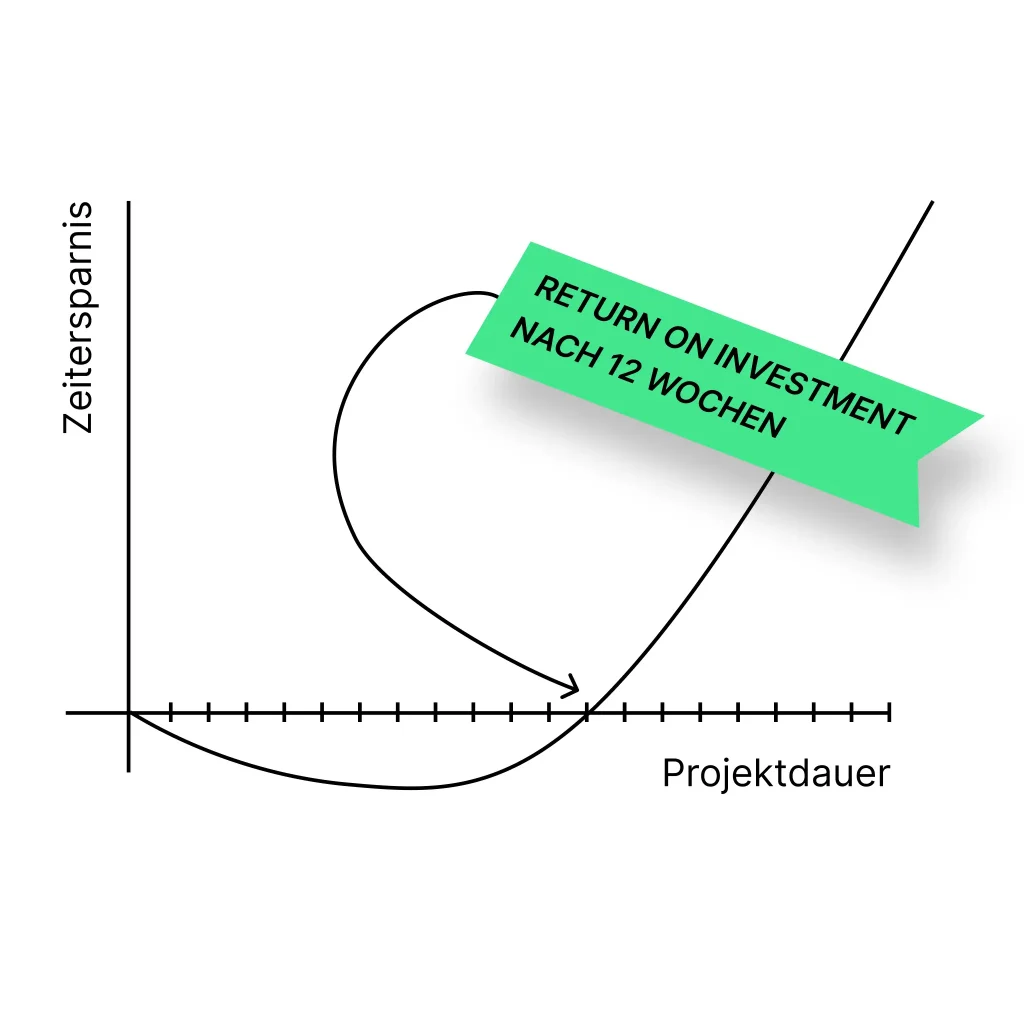
"After 12 weeks, the digital signature has paid off for us."
Ingrid Putzhammer
Vice President Global HR, Sony DADC

9,350 documents
were electronically and legally signed in the company in one year.
296 working days
were saved due to the switch from paper-based to e-signatures.
12 weeks
After the introduction, the costs for the introduction of sproof Sign have been amortized.

How to integrate seamlessly
and the legally valid use of electronic signatures
Find out how sproof Sign, as the leading European platform for digital signatures, supports companies and organizations in processing contracts efficiently, legally compliant and completely digitally.
Discover flexible integrations, central workflows, individual adaptations to your corporate design and the QES hub for signatures valid throughout Europe.
Info folder sproof Sign
Request information folderLeading European companies and KRITIS companies rely on sproof
The sovereign e-signature software for Europe
"In the past, there was a folder that had to be moved around the building and signed at various points. Now there is a digital folder that makes our signing process much easier."

"It's always nice to be able to say: We have European stability with us, where we are legally secure. That helps us enormously with audit issues."

"Our policy places a clear focus on European providers in order to meet the requirements of the GDPR and minimize data protection risks."

"After 12 weeks, the digital signature has paid off for us."

"As in all comparable institutions, our standards are high. We are subject to the eIDAS Regulation and must sign in compliance with the law. It is therefore immensely important and advantageous for us that we have the speed and ability to map this in a coherent process."

"What we like about sproof sign is not only the user-friendly interface but also the error support and the customer friendliness for general inquiries. The sproof team is very committed and fully motivated to drive your product forward with innovations."

"As a professional service provider for information digitization, the topic of digital signatures is becoming increasingly important for us and our customers. The partnership with sproof gives Kyocera the security of being able to cover all current and future signature requirements."

"We have to be able to prove at all times that our processes are legally compliant and meet the current requirements. Digital, traceable and auditable processes are therefore essential, especially in contract management. A solution like sproof sign helps us to meet these high standards."



- +-Is an electronic signature tamper-proof?Depending on the type of signature, electronic signatures offer a high level of protection against forgery and tampering. In the… more
Depending on the type of signature, electronic signatures offer a high level of protection against forgery and tampering. In the case of advanced electronic signatures (FES) and qualified electronic signatures (QES) in particular, cryptographic methods ensure that subsequent changes to the signed document can be detected.
With sproof, signature processes are also documented through a tamper-proof audit trail. This allows important information about the signature process to be recorded in a traceable and verifiable manner.
As soon as a document is digitally signed via sproof, a cryptographic hash value is applied to its content.
- Subsequent changes: If even a single character, decimal place, or image in the PDF is changed after signing, the seal is invalidated.
- Result: Any standard validation tool (e.g., Adobe Acrobat or the free sproof Validator) immediately reports that the document has been modified and that the signature is invalid.
- +-What is the Digital Signature Act in Austria?The Austrian Signature Act (SigG) originally established the legal framework for electronic signatures in Austria. However, it was repealed on… more
The Austrian Signature Act (SigG) originally established the legal framework for electronic signatures in Austria. However, it was repealed on June 30, 2016. Since July 1, 2016, electronic signatures have been governed in particular by the directly applicable eIDAS Regulation of the European Union and the Austrian Signature and Trust Services Act (SVG). The SVG supplements the European eIDAS requirements at the national level and regulates, among other things, electronic signatures, electronic seals, time stamps, and the requirements for trust services and their providers.
The European legal framework distinguishes between different levels of electronic signatures: the simple electronic signature (EES), the advanced electronic signature (FES), and the qualified electronic signature (QES). The type of signature required depends, in particular, on the specific use case and the legal or contractual requirements.
In Austria, ID Austria plays a central role in this context, as it enables secure digital identification and qualified electronic signatures. sproof has directly integrated ID Austria and also supports numerous other European eIDs for digital identification and signature processes.
- +-When is an advanced electronic signature (AES) required?An advanced electronic signature (AES) is suitable for documents with heightened liability, proof, or security requirements. It is uniquely associated… more
An advanced electronic signature (AES) is suitable for documents with heightened liability, proof, or security requirements. It is uniquely associated with the signatory, enables the signatory’s identification, and makes any subsequent changes to the document detectable. Typical use cases include contracts, permits, personnel records, or business agreements for which a qualified electronic signature is not legally required. However, the appropriate type of signature always depends on the specific document and the applicable formal requirements. You can learn more about the differences between EES, FES, and QES in our overview of all e-signature standards.
- +-When is a simple electronic signature (EES) required?A simple electronic signature (EES) is suitable for documents and processes involving low legal or financial risk, where there is… more
A simple electronic signature (EES) is suitable for documents and processes involving low legal or financial risk, where there is no legal requirement for the document to be in writing. Typical examples include internal approvals, confirmations, minutes, quotes, or simple agreements. It enables quick and straightforward signing but offers only limited assurance regarding the unambiguous identification of the signatory. The appropriate type of signature should therefore always be determined based on the specific use case. You can find an overview of EES, FES, and QES in our comparison of e-signature standards.
- +-Can I try out sproof before making a decision?Yes. Interested companies can try sproof sign for free for 14 days. In addition, sproof’s experts are happy to provide… more
Yes. Interested companies can try sproof sign for free for 14 days. In addition, sproof’s experts are happy to provide personalized advice and show how the platform can be optimally integrated into existing business processes. Try sproof sign now →
- +-Why is the data location important for e-signature solutions?Many companies want to ensure that personal data is processed exclusively within the European Union and is subject to European… more
Many companies want to ensure that personal data is processed exclusively within the European Union and is subject to European data protection regulations. sproof processes data exclusively in the EU and relies on European infrastructure.
- +-What role does the U.S. CLOUD Act play in selecting an e-signature platform?For many companies, the U.S. CLOUD Act is an important factor in selecting a software provider. Under certain conditions, the… more
For many companies, the U.S. CLOUD Act is an important factor in selecting a software provider. Under certain conditions, the law may require U.S. companies or companies with ties to the U.S. to hand over data in response to a government order—regardless of whether that data is stored in the U.S. or abroad. That is why many organizations today examine not only the location where their data is stored, but also the company’s headquarters, the cloud infrastructure used, and the applicable jurisdiction. sproof relies exclusively on a European infrastructure. Data processing takes place within the European Union and is subject to European law. This helps companies meet high standards for data protection, compliance, and digital sovereignty.
- +-Is DocuSign eIDAS-compliant?Yes. DocuSign supports electronic signatures in accordance with the eIDAS Regulation. However, it is important to note that eIDAS compliance… more
Yes. DocuSign supports electronic signatures in accordance with the eIDAS Regulation. However, it is important to note that eIDAS compliance does not specify where data is processed or stored. Companies should therefore also verify in which jurisdiction their data is processed, which cloud infrastructure is used, and which data protection and compliance requirements are met. sproof supports all eIDAS-compliant signature types and processes data exclusively within the European Union on European infrastructure.
- +-Is there a European alternative to DocuSign?Yes. In addition to international providers, there are several European e-signature platforms. Anyone who places particular importance on data protection,… more
Yes. In addition to international providers, there are several European e-signature platforms. Anyone who places particular importance on data protection, digital sovereignty, and eIDAS compliance should include European solutions in their comparison. sproof is an Austrian provider that has developed its platform specifically to meet the needs of European companies.
- +-Why is the audit trail so important for compliance managers?The audit trail provides a complete, admissible-in-court history of the entire signature process. It documents when and by whom the… more
The audit trail provides a complete, admissible-in-court history of the entire signature process. It documents when and by whom the document was viewed, approved, and signed, including the verification method used (e.g., two-factor authentication or qualified eID). This log serves as primary evidence during audits or legal disputes that the signature was properly created.
- +-Is it possible to verify multiple digital signatures on a single document independently of one another?Yes. When multiple people sign a document one after another (sequential workflow), the PDF contains a history of what are… more
Yes. When multiple people sign a document one after another (sequential workflow), the PDF contains a history of what are known as revision states. A validation tool (e.g., sproof Validate) validates each signature individually against the state of the document that existed at the time of each signature.
- +-How long is a digital signature valid and verifiable?Standard signatures often can no longer be validated correctly after the underlying certificate expires (usually after 2 to 3 years).… more
Standard signatures often can no longer be validated correctly after the underlying certificate expires (usually after 2 to 3 years). sproof sign therefore consistently uses the LTV (Long-Term Validation) standard. In this process, revocation information (such as CRL or OCSP lists) is embedded directly into the document at the time of signing. This allows the validity of the signature to be verified in an audit-proof manner—even decades later—and independently of the issuer.
Ready for superior and automated signature workflows?
Optimize your contract processes with the European No. 1 - legally compliant according to the eIDAS standard, highly efficient and without dependence on US providers.